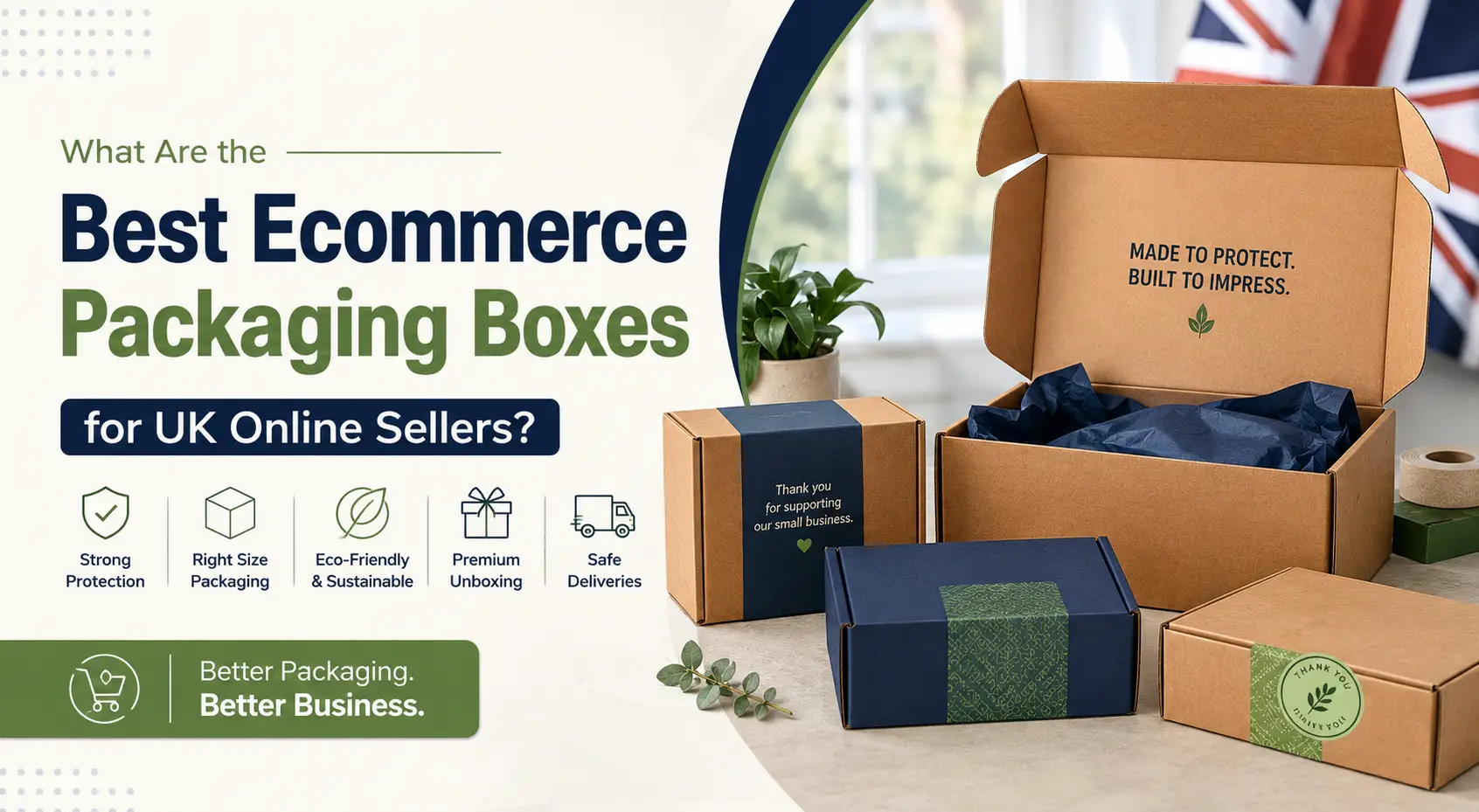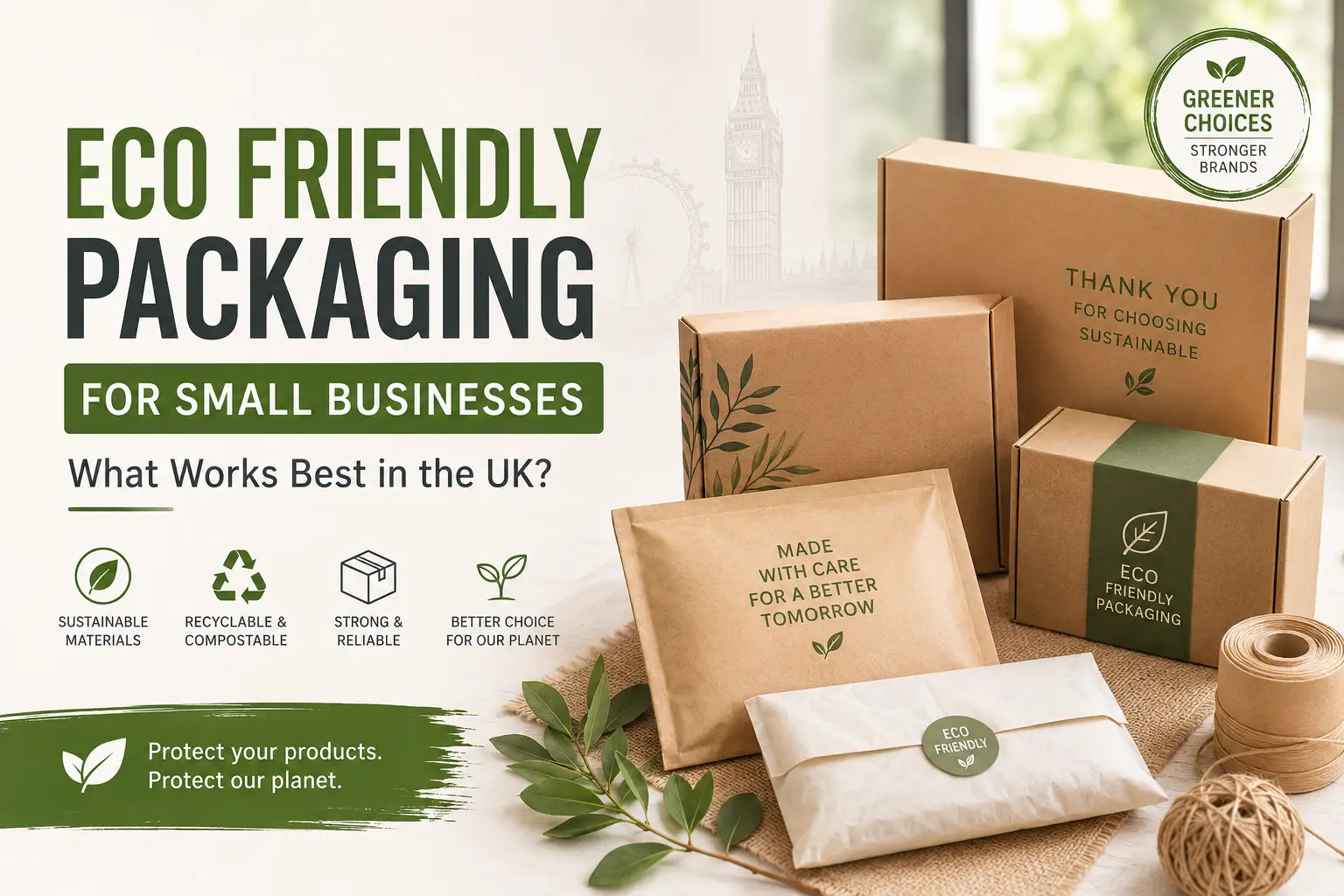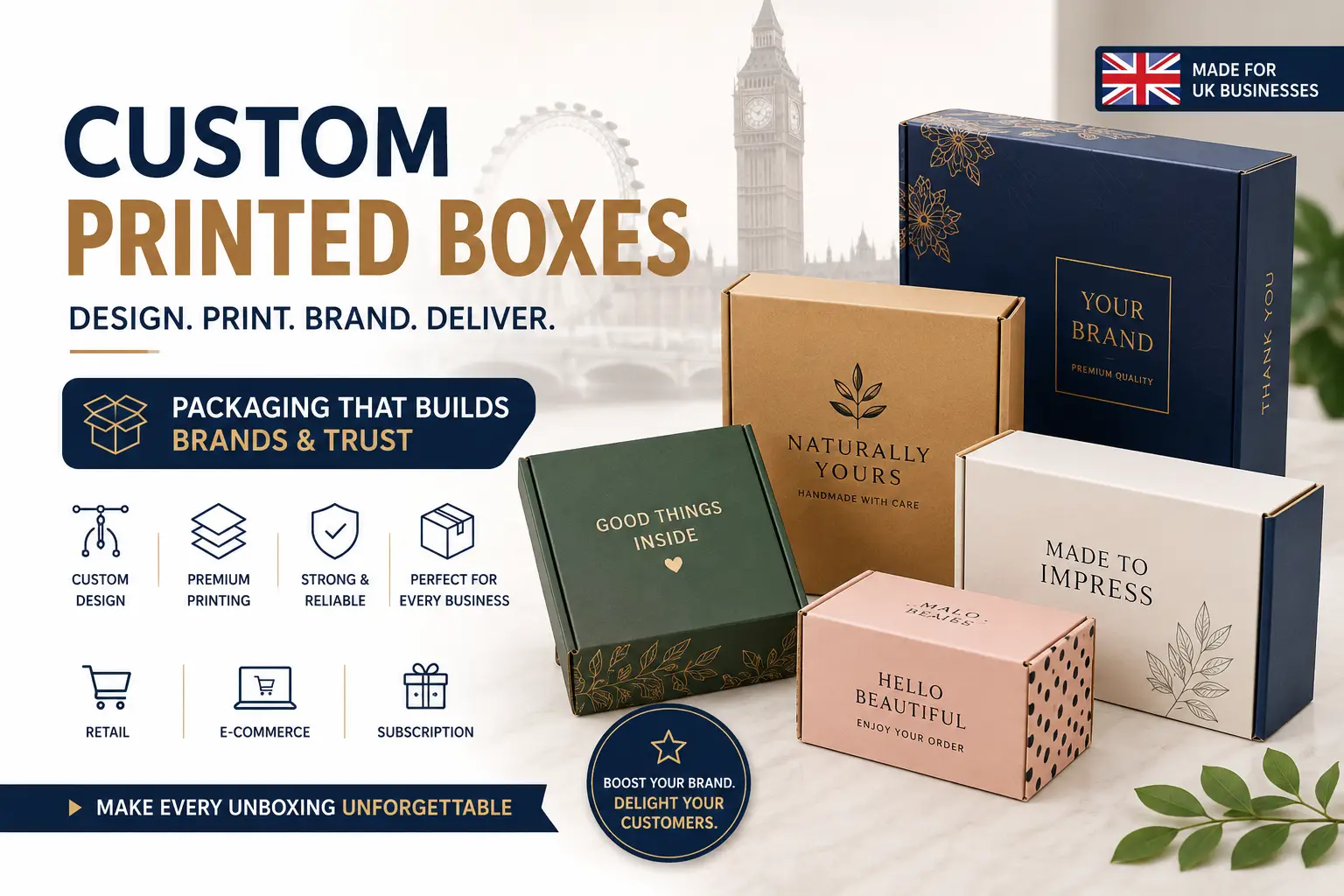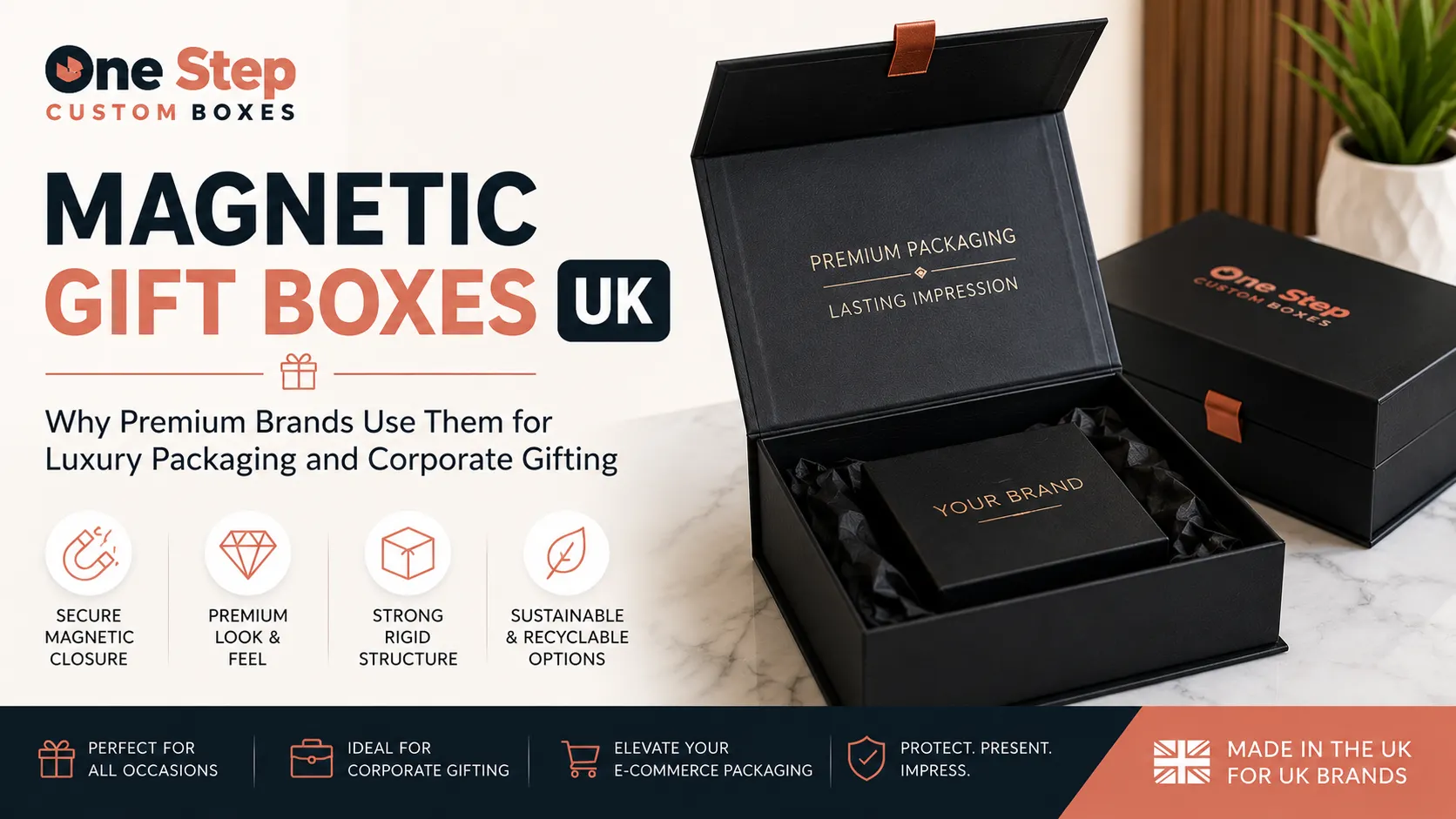
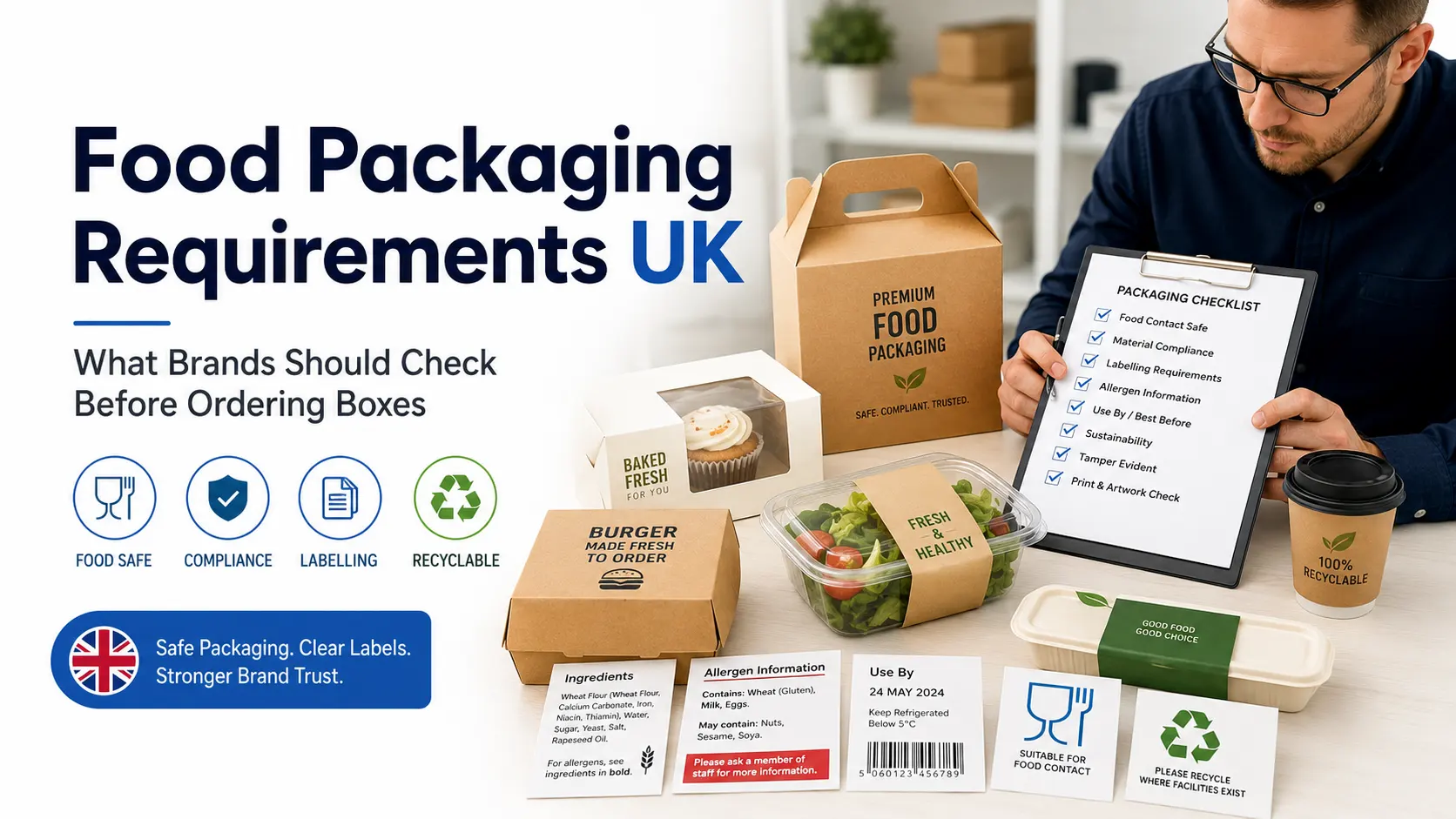
A wrong food box can cost more than the box itself. It can lead to grease leaks, damaged meals, poor shelf display, customer complaints, wasted stock, and even label problems. For a food brand, café, bakery, takeaway, or fast food shop, packaging is not just a container. It protects the food, carries key information, and shapes how customers judge your brand.
That is why Food Packaging Requirements matter before you place an order. In the UK, your packaging needs to suit the food, the journey, the label, and the way customers use it. A burger box has different needs from a cake box. A chilled ready meal has different rules from a takeaway tray. Before choosing colours, finishes, and sizes, brands need to check safety, labelling space, material choice, and food contact use.
Food packaging is part of your customer experience
Food packaging has to do more than look good. It must keep the food safe, hold its shape, travel well, and support clear information. If one part fails, the customer does not blame the box. They blame the brand.
A bakery may lose trust if cream cakes arrive crushed. A takeaway may lose repeat orders if sauces leak in the delivery bag. A food startup may look less premium if labels are hard to read or poorly placed. These small details affect reviews, returns, and buyer confidence.
Good packaging helps with:
- Safer food handling
- Better shelf appeal
- Fewer delivery issues
- Cleaner branding
- Easier customer trust
- Stronger repeat orders
For UK food brands, packaging is also linked to compliance. Food packaging regulations in the UK cover safety, contact materials, labelling, and environmental rules. The exact needs depend on your product, how it is packed, and where it is sold.
The first question is always about food contact
Before size, shape, or artwork, check whether the packaging will touch the food. If it does, it needs to be suitable for food use. This applies to boxes, trays, sleeves, wraps, inserts, liners, labels, coatings, and some inks.
Food contact materials UK rules are important because the material should not pass unsafe substances into the food. Food contact packaging regulations in the UK also matter for parts like adhesives, printed surfaces, coatings, plastic windows, and grease barriers.
A simple way to think about it:
| Packaging Part | Why It Matters |
| Inner surface | Touches the food directly |
| Coating or liner | Helps stop grease, moisture, or sticking |
| Printed areas | Should not transfer ink or odour to food |
| Window film | Must suit food contact use if near food |
| Inserts | Can touch cakes, snacks, or meals |
If you package food yourself, look for suitable food-grade packaging. Food-safe packaging symbols in the UK, such as the glass-and-fork symbol, can help show that a material is intended for food contact. For custom packaging, ask your supplier what parts are safe for direct food contact and what parts need a liner or barrier.
Not every food box suits every food
One of the most common mistakes is choosing a box because it looks right, not because it behaves right. Food changes in real use. Heat, steam, grease, sauce, sugar, and moisture all affect packaging.
A pizza box needs to handle heat and steam. A Burger box needs strength and grease resistance. A cake box needs support and a clean presentation. A salad box needs moisture control. A frozen or chilled product may need a different material again.
For Fast food packaging requirements in the UK, brands often need to think about speed and delivery. The box has to open fast, close firmly, and stack well. It also needs to protect food while riders carry several orders at once.
For takeaway packaging requirements, the main checks are:
- Will hot food make the pack soft?
- Will the sauce leak through the corners?
- Can the box be stacked in delivery bags?
- Does it keep food fresh without trapping too much steam?
- Is there space for labels, stickers, or tamper seals?
- Can staff pack food quickly during busy hours?
Greaseproof food packaging boxes are often a smart choice for burgers, fries, pastries, fried snacks, and saucy foods. They help reduce marks, leaks, and soft patches. This makes the food look cleaner when it reaches the customer.
Labels must be planned before the box is printed
Food labelling requirements in the UK are not something to fix at the end. The label needs space, clear contrast, and a layout that customers can read fast. If you design the box first and think about the label later, you may end up with tiny text, poor placement, or crowded artwork.
Pre-packed food labelling UK rules can apply when food is packed before the customer selects it. This often affects sandwiches, cakes, salads, chilled meals, snacks, sauces, and deli products. The label needs to support clear food information, not just branding.
Common label details may include:
- Name of the food
- Ingredients list
- Allergen information
- Net quantity
- Date mark
- Storage instructions
- Business name and address
- Country of origin, where required
- Instructions for use where needed
The ingredients list requirements in the UK matter because shoppers often check what is inside before buying. If the box has a busy design, the ingredients can become hard to read. A clean label panel gives the product a more trusted and premium feel.
Use-by and best-before labelling also needs careful space. A “use by” date is linked to food safety. A “best before” date is linked to quality. Customers need to see the date quickly, especially on chilled, fresh, or ready-to-eat foods.
Allergen clarity is not optional
Allergen mistakes can be serious. They can put customers at risk and damage trust in the brand. That is why allergen labelling requirements in the UK should be considered early when designing food packaging.
For many food businesses, the 14 allergen food labelling UK rules are a key part of the label plan. Allergens must be easy to spot in the ingredients list where required. Bold text is often used, but the full design should also support clear reading.
PPDS food labelling requirements are especially important for food that is packed before sale on the same site where it is offered to the customer. Natasha’s Law food packaging rules mean many PPDS foods need the name of the food and a full ingredients list with allergens highlighted.
This may affect:
- Sandwiches are packed and displayed in a café
- Salads packed before lunch service
- Cakes were boxed and placed on a counter
- Fresh snacks are packed according to the customer’s choice
- Grab-and-go meals prepared on site
Packaging can help by giving enough room for a clear label. Small stickers may not work if the product has many ingredients. A larger box panel, sleeve, or wraparound label may be better for complex food items.
Takeaway packaging has its own pressure points
Takeaway food packaging rules in the UK are not only about legal checks. They are also about how food moves in real life. A takeaway order may sit under heat lamps, go into a delivery bag, travel by bike, and reach the customer 20 to 40 minutes later.
That journey creates pressure on the packaging.
Hot food can create steam. Steam can soften the board. Sauces can leak through weak folds. Heavy meals can crush thin trays. Poor lids can pop open during delivery.
Takeaway brands should think about:
- Heat hold time
- Vent holes
- Grease resistance
- Lid strength
- Portion weight
- Stacking height
- Courier handling
- Tamper-evident food packaging
Tamper-evident food packaging is useful for delivery, meal prep, and ready-to-eat products. It helps customers feel safer because they can see if the pack has been opened. This is a simple trust signal, especially for online food orders.
If your brand sells across delivery apps, retail shelves, events, and in-store counters, one packaging style may not suit every channel. A good supplier can help match the box to the real sales route.
Sustainable packaging must still protect the food
Many UK customers now expect greener packaging. Recyclable food packaging UK options can support a cleaner brand image and reduce waste concerns. But sustainable packaging should still perform well.
A recyclable box that collapses with hot food is not a good choice. A compostable pack that is not accepted in local waste streams may confuse customers. Biodegradable takeaway packaging UK products can sound attractive, but brands still need to check use, disposal, and food contact suitability.
Compostable food packaging UK options may be useful for certain food service needs, events, cafés, and takeaway brands. Still, the right choice depends on the food and the disposal route.
Here is a simple comparison:
| Option | Best For | Watch Out For |
| Recyclable board | Bakery, dry food, and some takeaway boxes | Grease and food residue can affect recycling |
| Compostable packs | Certain takeaways and events use | Needs the right waste route |
| Biodegradable packs | Eco-focused branding | Claims must be clear and not misleading |
| Greaseproof board | Burgers, fried food, and pastries | Check if coating affects recycling |
| Window boxes | Cakes, salads, and display food | Window material should match the food use |
Sustainability works best when the claim is simple and honest. Customers trust clear messages such as “recycle where facilities exist” more than vague green claims.
Single-use plastic rules affect many takeaway choices
The single-use plastic ban UK takeaway packaging matters for food service brands, especially those using plastic cutlery, polystyrene containers, plates, trays, or bowls. Rules may vary by UK nation, so food businesses should check the rules that apply where they operate.
In England, many single-use plastic items used in food service are banned or restricted. This has pushed more brands toward paperboard, recyclable board, moulded fibre, and other plastic-free options.
For takeaways, this can affect:
- Cutlery choices
- Food trays
- Bowls
- Plates
- Polystyrene food containers
- Drink and meal packaging plans
This is not only a compliance issue. It is also a buying signal. Customers often notice when packaging feels wasteful. Better materials can support a modern brand image and make your food feel more considered.
Custom boxes should be built around the food, not just the logo
Custom food packaging boxes UK can help a brand stand out, but the Best custom boxes start with function. The logo is only one part of the job. The box must fit the food, protect it, and support staff during busy service.
Before ordering custom boxes, check:
- Food type: Is it hot, cold, dry, greasy, moist, frozen, or delicate?
- Packing method: Will staff pack by hand, use labels, add liners, or seal the box?
- Sales channel: Is it for takeaway, retail shelves, delivery, events, or postal orders?
- Storage space: Can you store flat boxes easily in your kitchen or stockroom?
- Brand finish: Do you need matte, gloss, kraft, window, embossing, foil, or simple print?
- Label space: Is there enough room for ingredients, allergens, dates, and barcodes?
- Quantity and budget: Will the order size match your stock turnover and cash flow?
OneStep CustomBoxes can help UK food brands choose practical packaging before print. If you are not sure which board, coating, or structure suits your food, talk to our expert team before placing a bulk order.
Material choice changes how customers see your brand
Packaging sends a message before the customer tastes the food. A strong kraft box can feel natural and honest. A clean white box can feel fresh and premium. A window box can help cakes, cookies, and salads sell faster because customers can see the product.
The finish also matters. Heavy ink coverage can look bold, but it may not suit every food contact area. Gloss can feel bright, but matte can look more premium. Kraft can support an eco feel, but fine print may need extra care for readability.
For food packaging safety requirements, the inside of the box matters more than the outside. For branding, the outside still needs to attract attention.
A balanced food box should:
- Protect the product
- Support safe use
- Show the brand clearly
- Leave space for food information
- Feel right for the price point
- Work well for staff and customers
Premium packaging does not always mean expensive packaging. It means the right box for the right food.
Small packaging mistakes create big daily problems
Many food businesses only notice packaging problems after orders start going out. By then, they may already have paid for stock, printed artwork, and staff time.
Common mistakes include:
- Ordering boxes before testing food fit
- Using a thin board for heavy meals
- Choosing poor label placement
- Ignoring allergen label space
- Using non-greaseproof boxes for oily food
- Printing too close to the fold lines
- Forgetting the delivery bag size
- Choosing a box that takes too long to assemble
- Making sustainability claims without checking disposal routes
A simple sample test can prevent many of these problems. Put the real food inside the box. Leave it for the normal holding time. Stack it. Carry it. Open it as a customer would. Check for leaks, soft spots, smell, print marks, and label visibility.
This kind of test is more useful than looking at a box on a screen.
A practical food packaging checklist before ordering
Food packaging compliance in the UK can feel complex, but the buying process becomes easier when you break it into clear checks.
Use this before ordering:
- Is the material suitable for food contact?
- Does the box need a liner or grease barrier?
- Will hot food create steam problems?
- Is the pack strong enough for the food weight?
- Is there enough space for food labels?
- Can allergens be shown clearly?
- Does the design support use by and best before labelling?
- Will the packaging work for takeaway, retail, or delivery?
- Are the materials aligned with the UK single-use plastic rules?
- Is the packaging recyclable, compostable, or clearly marked?
- Can staff pack it quickly during busy hours?
- Does the finished box match your brand value?
If the answer is unclear, get advice before ordering. A short conversation can save money, delays, and wasted stock. For tailored help, get a free quote from OneStep CustomBoxes and choose packaging that fits your food, budget, and brand goals.
The right supplier makes the process simpler
A good packaging supplier should not only ask for your logo. They should ask about your food, packing method, storage, delivery needs, and label space. These details help shape a better box.
For example, a bakery selling cupcakes may need inserts and a window. A burger shop may need vented grease-resistant boxes. A meal prep brand may need label-ready sleeves. A snack company may need retail-friendly display boxes with strong shelf appeal.
The right supplier helps you decide:
- Which box style suits the product
- Which material suits the food
- Which finish suits the brand
- Which size reduces movement and damage
- Which label area supports compliance
- Which order quantity makes sense
This is where custom packaging becomes useful. It can solve real business problems, not just make the product look nicer.
Food brands grow faster when packaging feels reliable
Good food packaging helps customers trust the product before they taste it. It keeps food cleaner, supports clear labels, improves delivery, and makes the brand easier to remember.
For UK food businesses, packaging requirements for food businesses should be part of product planning from the start. When the box fits the food, the label, the law, and the customer journey, everything feels smoother.
Whether you sell bakery items, fast food, takeaway meals, snacks, frozen products, or retail food items, the right packaging can reduce stress and improve the way customers see your brand.
For food-safe, practical, and branded packaging support, Get a free quote or Talk to our expert team at OneStep CustomBoxes.
Frequently Asked Questions
What are the main food packaging requirements in the UK?
UK food packaging should be suitable for food use, safe for contact where needed, strong enough for the product, and able to carry clear food information and labels.
What is food-grade packaging?
Food-grade packaging is packaging made or approved for food use. It should not make the food unsafe or affect its taste, smell, or quality.
Do takeaway boxes need to follow food packaging regulations in the UK?
Yes. Takeaway boxes should suit food contact use, protect the food, and follow relevant safety, material, labelling, and single-use plastic rules.
What are PPDS food labelling requirements?
PPDS foods usually need the name of the food and a full ingredients list with allergens clearly highlighted. This often applies to food packed before the customer chooses it.
What is Natasha’s Law food packaging?
Natasha’s Law relates to allergen labelling for PPDS food. Packaging must allow enough space for clear ingredients and allergen information.
Do all food boxes need allergen labels?
Not all food boxes need the same type of allergen label. It depends on how the food is packed, sold, and presented to the customer.
What is the difference between use-by and best before labelling?
A “use by” date is linked to food safety. A “best before” date is linked to food quality.
Are recyclable food packaging UK options always suitable for hot food?
No. Some recyclable packs may not suit hot, greasy, or wet food unless they have the right barrier or structure.
Is compostable food packaging better than recyclable packaging?
Not always. Compostable packaging only works well when the right composting route is available, while recyclable packaging depends on the material and contamination.
Why is tamper-evident food packaging useful for takeaways?
It helps customers see if the food pack has been opened. This can build trust in delivery and ready-to-eat orders.
Can custom food packaging boxes UK include food labels?
Yes. Custom boxes can be designed with space for labels, ingredients, allergens, barcodes, dates, and branding.
How can I choose the right food packaging supplier?
Choose a supplier that asks about your food type, contact needs, delivery method, label space, materials, and brand goals before recommending a box.